
Seaside memories and the importance of donkeys. Palm Sunday processions and arriving in peace despite all expectations.
The hot, sandy pavement pressed hard against my feet that summer afternoon at the end of a long day playing on the beach at Mablethorpe. My beach shoes (plimsolls) rubbed against my sore feet which were still cold and damp from paddling and castle building and tiny, gritty, sharp grains bit into my toes, but still I walked on, holding my dad’s hand.
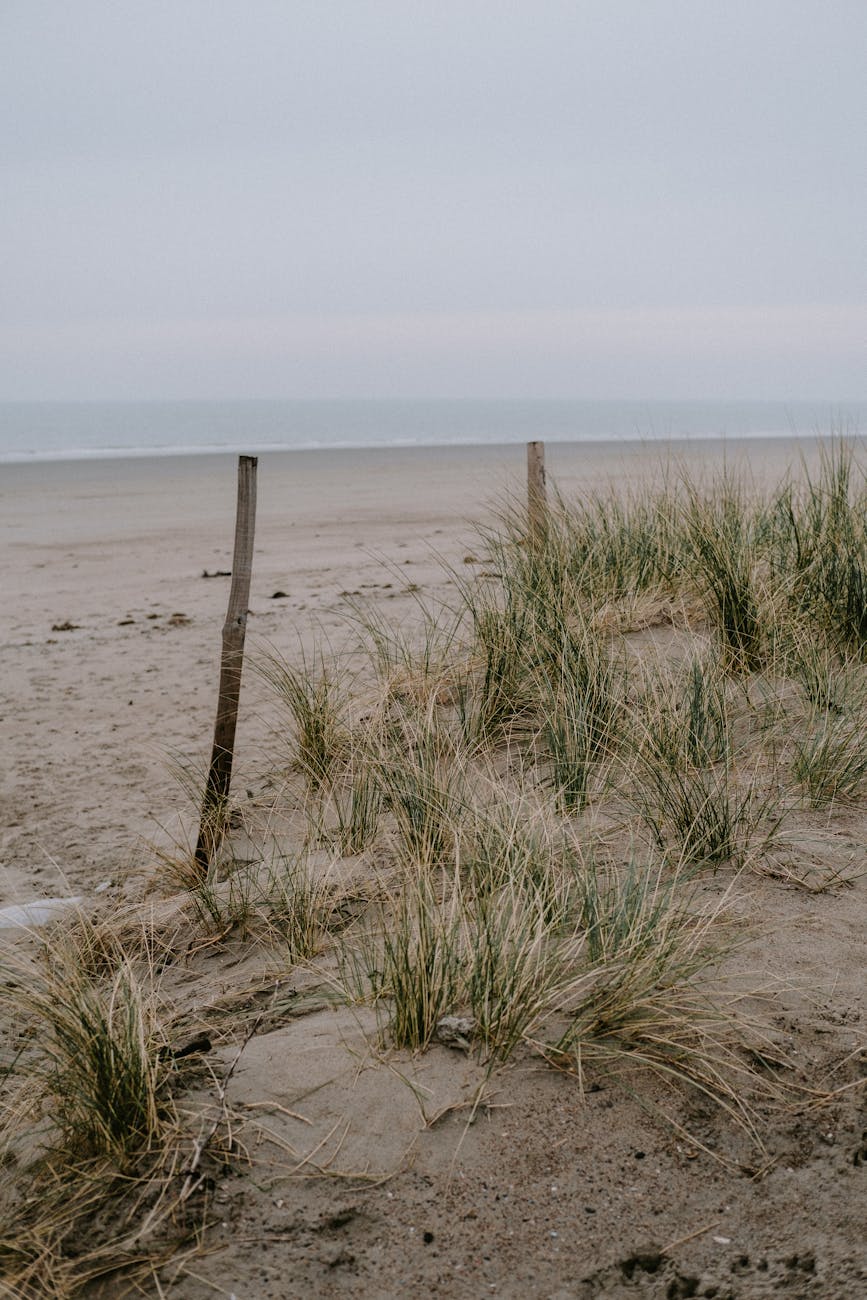
We had to find a good spot with the best view, because dad had looked forward to this all day.
Here they come, he said, look, they’re running because they’re happy. They’ve finished work and they’re going home to their field.
With a clattering of hooves and a scent of heat, dust and sweat, the beach donkeys trotted past. They’d spent all day plodding up and down a stretch of beach carrying children of every size.
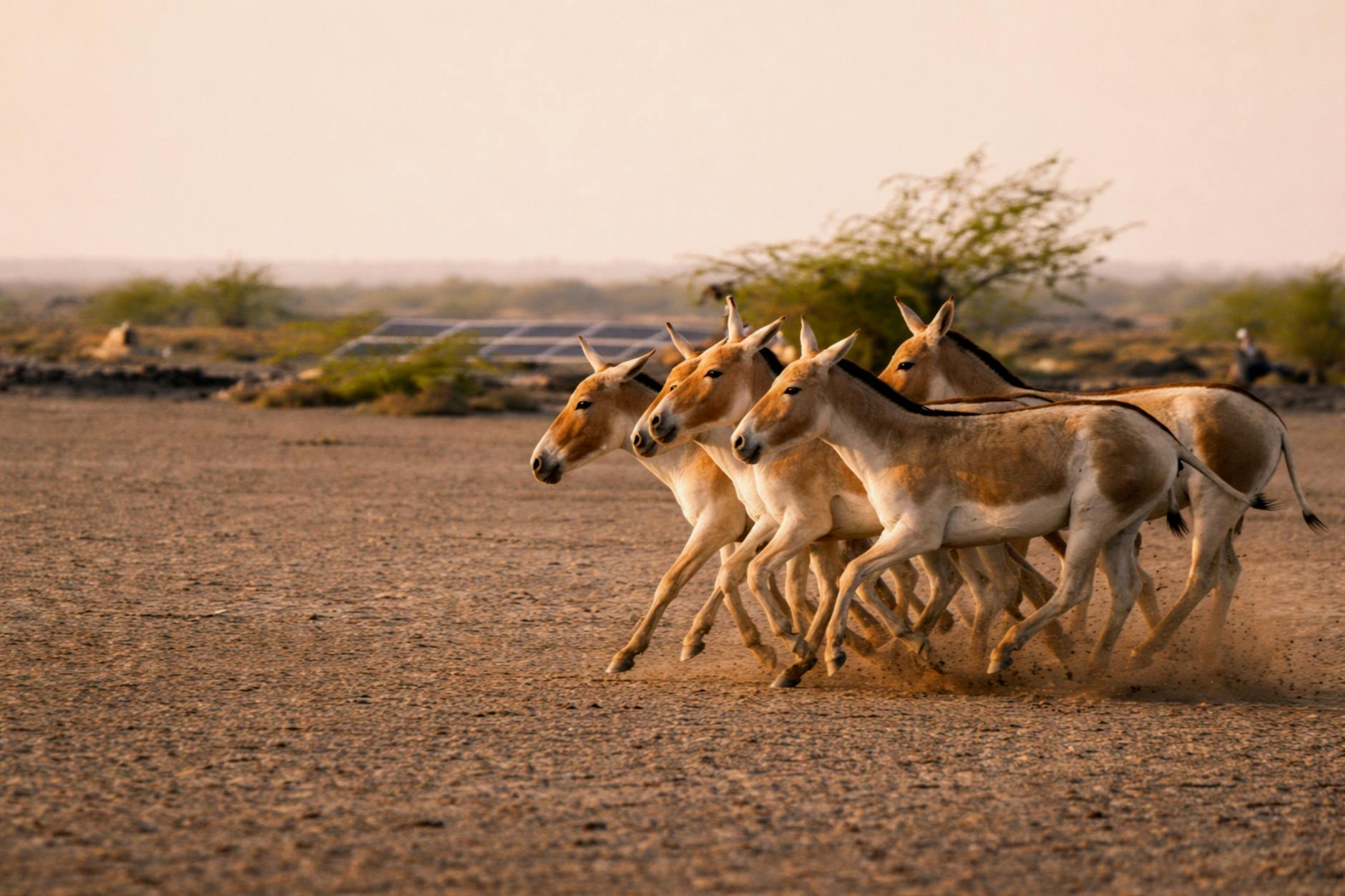
Later in the evening, we would walk further away from the beach, where the grass grew lush, to find the donkey field, the place where they rested before another day’s toil.
This was important for my dad. He cared about donkeys. When he was a boy, his mother took the whole family to Scarborough for the summer, where she rented a house and took in paying holidaymakers. None of the family knew where they would sleep each night and everyone had a job. Dad’s job was to work with the seaside donkeys. No wonder he felt sorry for them and taught us to care about them.
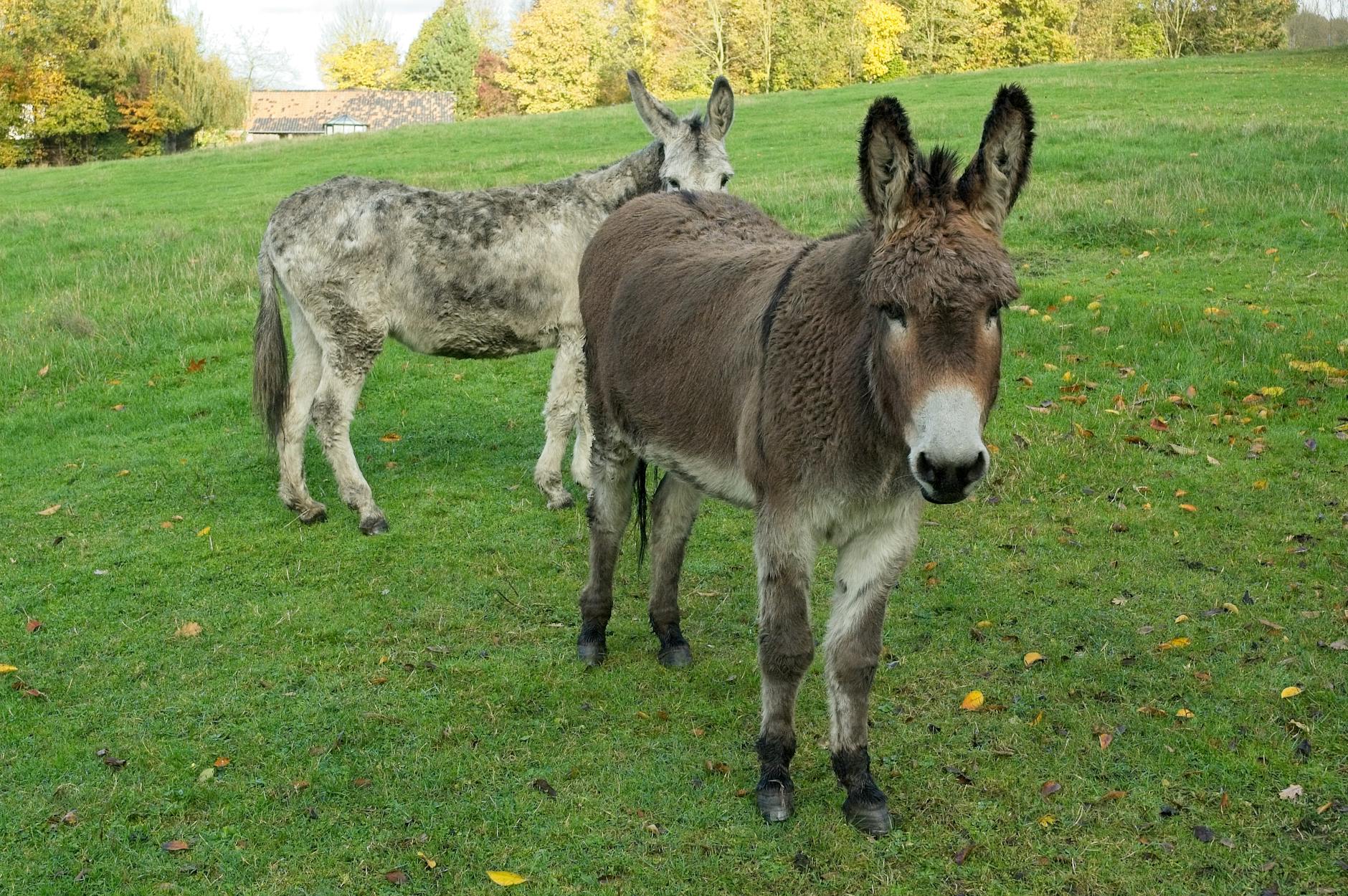
In retirement, he “adopted” two donkeys at the Bransby Home of rest for horses. They were called Moab and Dylan, and it was a treat for his grandchildren to visit “Grandad’s Donkeys.”
Bransby Horses – Equine Welfare Charity
He wasn’t a great churchgoer, but he loved Palm Sunday, when a donkey took pride of place in the story. Sometimes, a real live donkey led our procession through Nottingham streets.
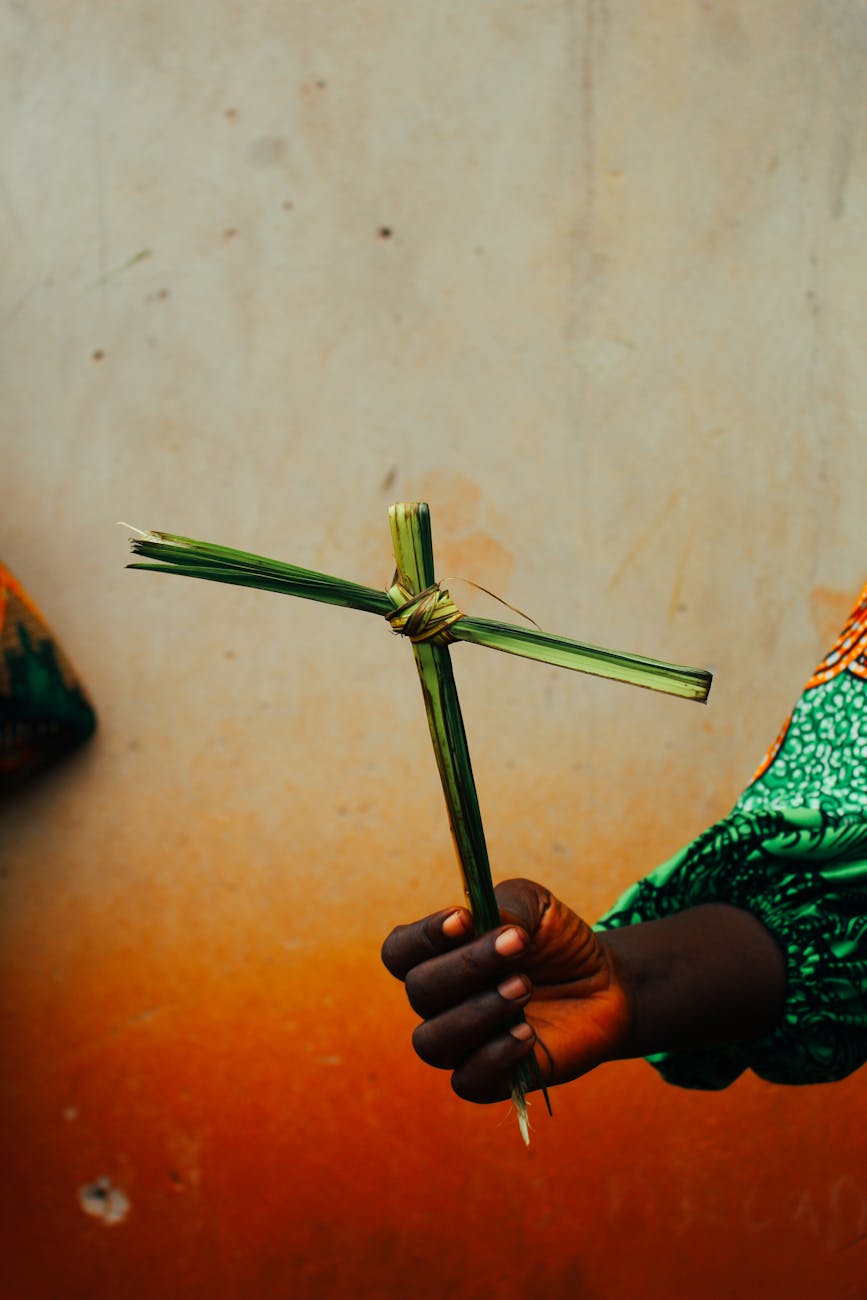
I am sad to know that this year, 2026, there won’t be a Palm Sunday procession along the original route into Jerusalem. Jesus had better freedom of movement than current Palestinians.
Donkeys play an important role in the Bible.
A man called Balaam had a wise donkey who saw an angel before his master did, then found a voice to warn him with. This averted disaster and turned a curse into a blessing.
A man called Saul was sent to look for his father’s lost donkeys and found the prophet Samuel, who chose him to be king.
When a king approached a city riding on a donkey, it was a sign that they were arriving in peace, and Jesus arrived full of peaceful intent, though some of the crowd cheering him on probably wanted something different.
Father Patrick Van Der Vorst says this about the donkey which Jesus rode:
The donkey was not swayed that day in Jerusalem by the joyful acclamations, nor later by the screaming words of hate. The donkey did a particular job, which was to bear a particular burden. It did this, humbly, not expecting praise or reward.
From Christian Art for Palm Sunday. info@christian.art
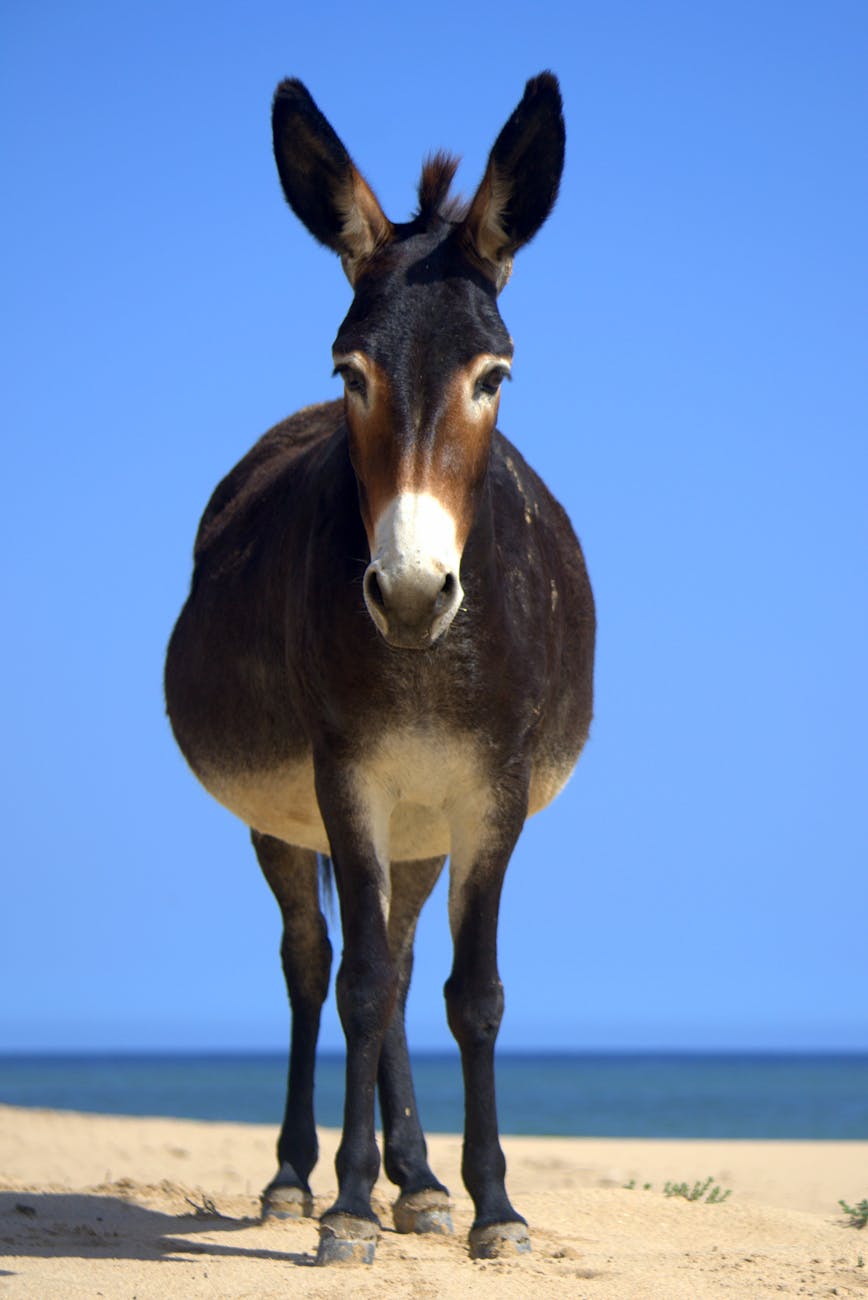
I suppose the same could be said of Jesus. He wasn’t swayed by cheers, jeers or false accusations. He carried on being himself.
How would we like to see a leader with peaceful intentions, not swayed by popular opinion?
Here’s a poem by UA Fanthorpe which takes us back to Christmas but looks ahead to Palm Sunday:
What the Donkey Saw.
No room in the inn, of course,
And not that much in the stable
What with the shepherds, Magi, Mary,
Joseph, the heavenly host –
Not to mention the baby
Using our manger as a cot.
You couldn’t have squeezed another cherub in
For love or money.
Still, in spite of the overcrowding,
I did my best to make them feel wanted.
I could see the baby and I
Would be going places together.
UA Fanthorpe
Wander well towards Easter.
Mandy.
 Wandering Through The Land Of Nod.