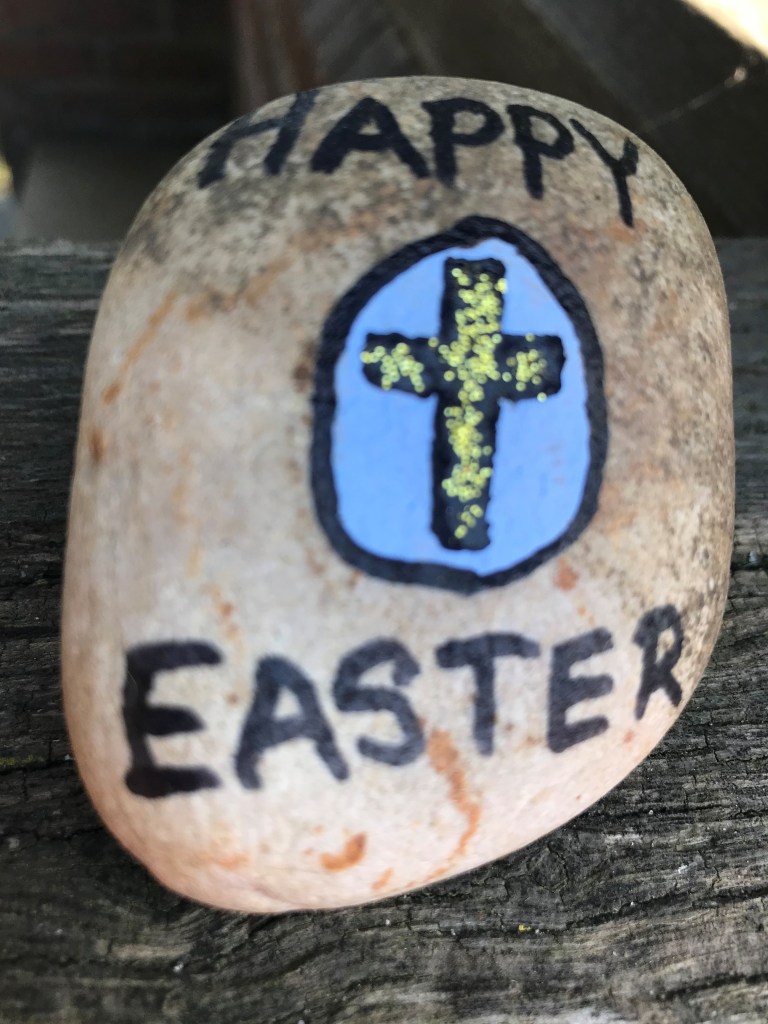
Happy Easter!Memories of Easter Sunday and Easter Monday, real holidays (holy days) when everything is transformed, finally everything comes together and all the waiting is worth it. Childhood lessons in death and resurrection, remembered with much gratitude.
The day dawned bright and early on Easter Day, when everything was made new. The long waiting was over and the clean house on Serlby Rise felt warm and welcoming.
On the polished, dark wood sideboard stood a line of chocolate eggs, wrapped in bright foil and adorned with satin bows.
Why don’t Easter eggs have bows around them anymore?
A special treat was one from my godmother, which had my name iced onto the chocolate. How magical was that?
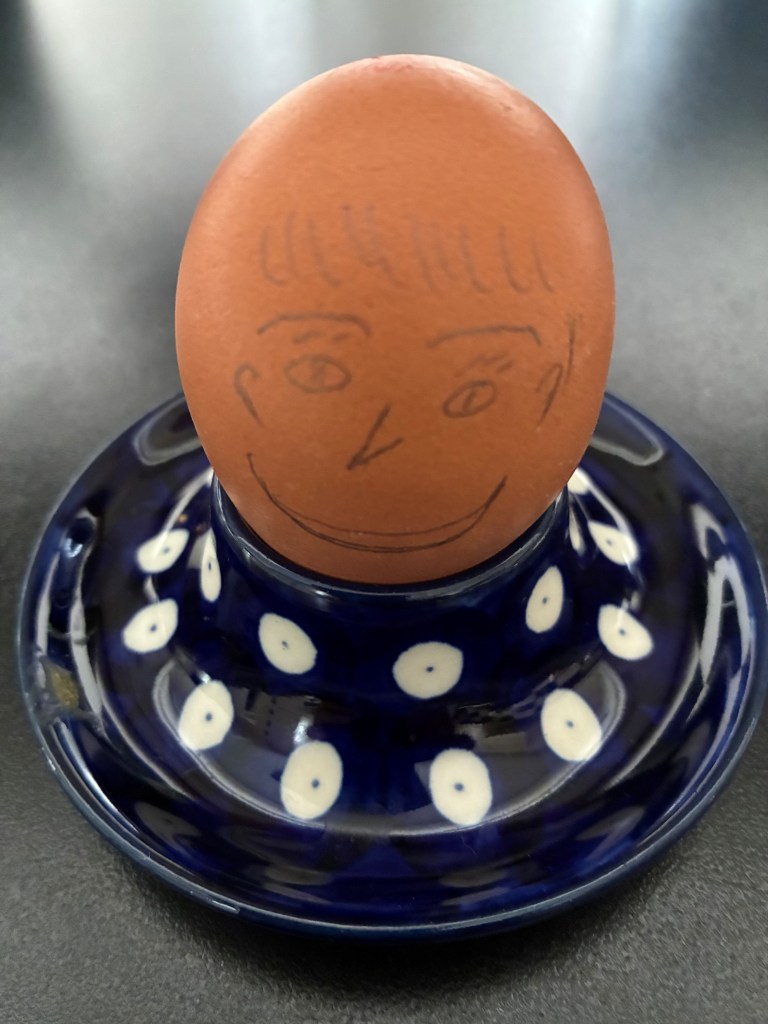
Breakfast was boiled eggs. We all recognised our own egg because dad had drawn cartoons of our faces on them!
Later, we would eat roast dinner and for tea there’d be cakes which mam had baked. That day was a feast day, a real holiday (holy day), for Jesus was alive and everything was made new.
For me, even better than chocolate eggs, personalised boiled eggs, roast dinner and cakes were my new shoes. Easter day was the day I wore my new brown sandals with their lovely leathery smell, shiny buckles and crepe soles. Whatever the weather, this was the day for summer shoes, which I would carry on wearing until September.
I’d known about them for weeks and would open their box, unwrap the tissue paper and delight in their beautiful newness.
When we’d eaten our breakfast, and were washed and dressed as smartly as possible, mam took me to church. There, a miracle had occurred. On Good Friday, I’d been glad to leave the dark, sad, tomblike space to get out into the sunshine, but on Easter Day we walked into dazzling light. The scent of flowers and beeswax hit us first and then the sight of Arum lilies, candlelight and polished wood, brass and silver.
Everything was clean, fresh and bright. The contrast couldn’t have been starker and that childhood lesson has taught me more about death and resurrection than anything I learnt at theological college.
I am so grateful to the women (I assume they were all women) who worked so hard in church to make Easter so real and meaningful.
In our house, the holiday (holy day) didn’t end at bedtime on Easter Sunday. Easter Monday was a day for packing up a picnic and getting into the countryside. It felt and still feels like a very welcome rule that we have to be outside, enjoying spring and new life, whatever the weather and happily for me, it always involved Hot Cross Buns. That’s a rule I’m happy to carry on keeping!
That’s what I’ll be doing this Easter Monday.
What about you? What memories do you have of Easter?
However you celebrate Easter and whatever it means to you, have a very happy and blessed time.
Memories of a childhood Good Friday and Holy Saturday. A fond memory of a friend, church and home and a celebration of Hot Cross Buns! Early lessons which have stayed with me.
The sun was shining on a cold Good Friday in the 1960s. I stood by the post box on Serlby Rise chatting to my friend Coleen.
We were both on our way home from different churches. Coleen had been to St Edward’s (Roman Catholic) and I’d been to St Bartholomew’s (Anglican). I’d walked past our house, to spend more time with Coleen.
At church, I’d joined in a little group of children, walking the stations of the cross, kneeling in front of each picture and giggling when we heard that Jesus was stripped. We had done this every week during Lent, but on Good Friday it was different. The church itself had been stripped of anything beautiful and what couldn’t be moved was covered in black cloth.
I was left in no doubt that Jesus was dead, and this was a sad day. I was glad to get out into the sunshine.
Probably, Coleen had had the same experience and we talked about it. We asked the question why that day is called good when what happened to Jesus was so awful.
Eventually, we said goodbye and went our separate ways. I went home to the longest hours of my life. At home, the house was in turmoil. Mam was cleaning everything to within an inch of its life, all the windows were open, and it was cold and tense.
I recognise this tension in the house when I’m cleaning, and I apologise to anyone affected!
The fish that we ate was lethal with bones.
How come we can buy and eat fish that isn’t full of bones nowadays?
Jesus was dead and buried. The afternoon and next day stretched before me in empty desolation.
There were compensations though, mainly in the form of Hot Cross Buns, which were and still are, one of my favourite foods. Mam was a forgiving mother, but she was very strict when it came to hot cross buns. To eat one before Good Friday was unforgiveable! Thankfully she always provided plenty so we could eat leftovers right up to Easter Monday!
I still have that sense of emptiness through Good Friday and Holy Saturday. For me, the day between Good Friday and Easter Sunday is Holy Saturday, not Easter Eve, because it’s a day in its own right. Having said that, I’ve appreciated being part of churches which celebrate Jesus’ resurrection on Saturday evening!
This year, in 2026, I will wait until 6am to walk up a local hill for our sunrise Easter service.
I’ll publish something to describe the difference a day makes!
In the meantime, have a blessed Holy Saturday.
Wander Well towards Easter (almost there!)
Mandy.
What memories of Good Friday and Holy Saturday do you have?
If you enjoy reading this, please like and subscribe!
Seaside memories and the importance of donkeys. Palm Sunday processions and arriving in peace despite all expectations.
The hot, sandy pavement pressed hard against my feet that summer afternoon at the end of a long day playing on the beach at Mablethorpe. My beach shoes (plimsolls) rubbed against my sore feet which were still cold and damp from paddling and castle building and tiny, gritty, sharp grains bit into my toes, but still I walked on, holding my dad’s hand.
We had to find a good spot with the best view, because dad had looked forward to this all day.
Here they come, he said, look, they’re running because they’re happy. They’ve finished work and they’re going home to their field.
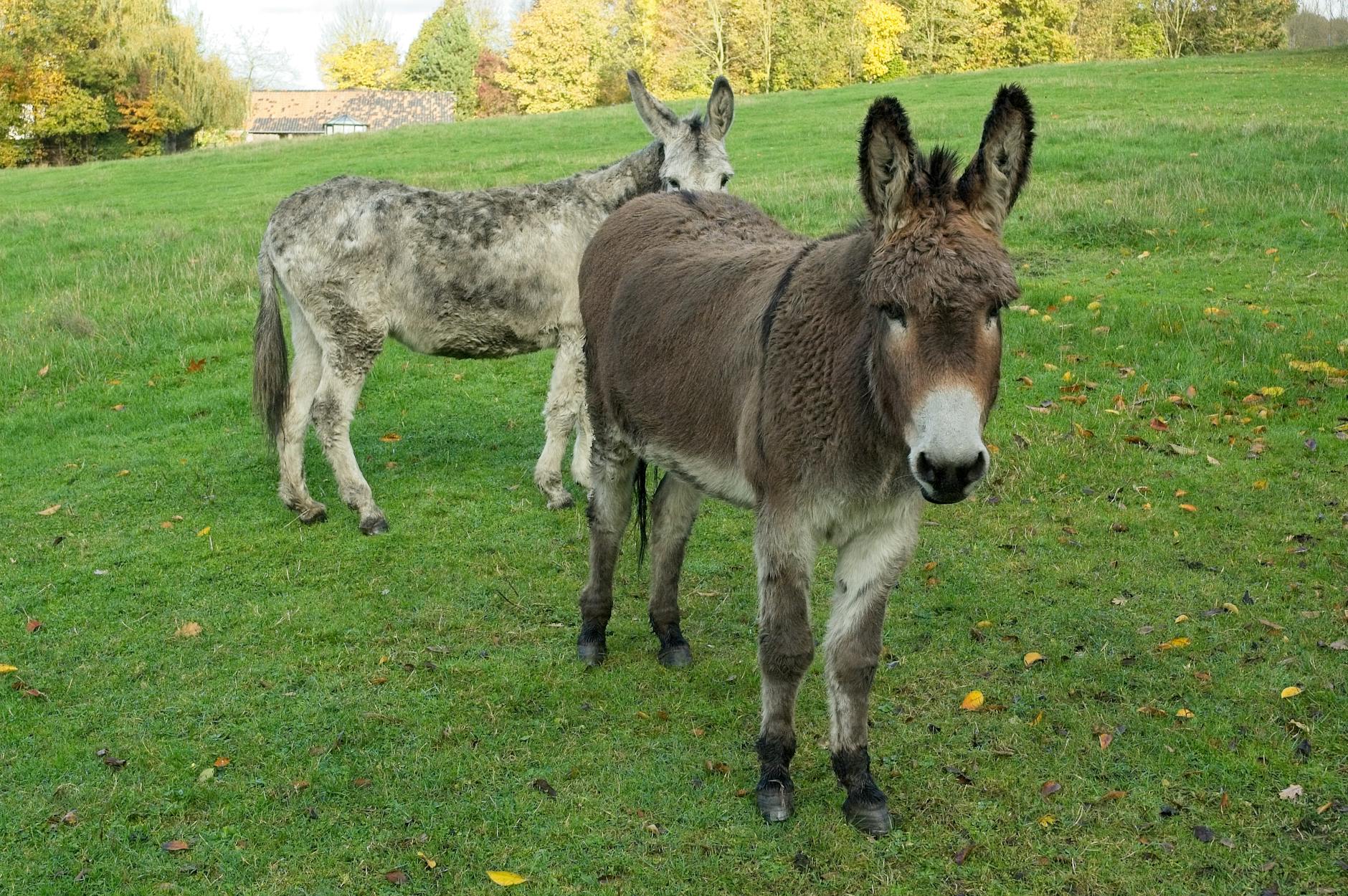
With a clattering of hooves and a scent of heat, dust and sweat, the beach donkeys trotted past. They’d spent all day plodding up and down a stretch of beach carrying children of every size.
Later in the evening, we would walk further away from the beach, where the grass grew lush, to find the donkey field, the place where they rested before another day’s toil.
This was important for my dad. He cared about donkeys. When he was a boy, his mother took the whole family to Scarborough for the summer, where she rented a house and took in paying holidaymakers. None of the family knew where they would sleep each night and everyone had a job. Dad’s job was to work with the seaside donkeys. No wonder he felt sorry for them and taught us to care about them.
In retirement, he “adopted” two donkeys at the Bransby Home of rest for horses. They were called Moab and Dylan, and it was a treat for his grandchildren to visit “Grandad’s Donkeys.”
He wasn’t a great churchgoer, but he loved Palm Sunday, when a donkey took pride of place in the story. Sometimes, a real live donkey led our procession through Nottingham streets.
I am sad to know that this year, 2026, there won’t be a Palm Sunday procession along the original route into Jerusalem. Jesus had better freedom of movement than current Palestinians.
Donkeys play an important role in the Bible.
A man called Balaam had a wise donkey who saw an angel before his master did, then found a voice to warn him with. This averted disaster and turned a curse into a blessing.
A man called Saul was sent to look for his father’s lost donkeys and found the prophet Samuel, who chose him to be king.
When a king approached a city riding on a donkey, it was a sign that they were arriving in peace, and Jesus arrived full of peaceful intent, though some of the crowd cheering him on probably wanted something different.
Father Patrick Van Der Vorst says this about the donkey which Jesus rode:
The donkey was not swayed that day in Jerusalem by the joyful acclamations, nor later by the screaming words of hate. The donkey did a particular job, which was to bear a particular burden. It did this, humbly, not expecting praise or reward.
I suppose the same could be said of Jesus. He wasn’t swayed by cheers, jeers or false accusations. He carried on being himself.
How would we like to see a leader with peaceful intentions, not swayed by popular opinion?
Here’s a poem by UA Fanthorpe which takes us back to Christmas but looks ahead to Palm Sunday:
What the Donkey Saw.
No room in the inn, of course, And not that much in the stable What with the shepherds, Magi, Mary, Joseph, the heavenly host – Not to mention the baby Using our manger as a cot. You couldn’t have squeezed another cherub in For love or money.
Still, in spite of the overcrowding, I did my best to make them feel wanted. I could see the baby and I Would be going places together.
Roller coaster memories of the first Covid – 19 lockdown in England, with shock, anger, fear, worry, kindness, sadness, gratitude and admiration.
You can’t do that!
Once, there was a vicar of a group of English villages with eleven churches who shouted at the radio “You can’t do that!” she wasn’t prone to shouting at newscasters, so why yell that day? The reporter had announced plans to forbid everyone over seventy years old from going outside. It wasn’t a dystopian nightmare; it was real life unfolding in March 2020. The deadly Covid 19 virus invasion was underway. We needed a battle plan.
Lockdown.
Seventy-year-olds weren’t banned from leaving their homes, but on March 23rd at 8:30pm a full lockdown was announced by Prime Minister Boris Johnson. We had to stay home immediately, even though lockdown didn’t take full effect till March 26th, which led this vicar into lasting confusion.
Rules about church took time to clarify. Custodians of church keys dashed to and from their beloved buildings, unlocking and locking doors with each changing instruction. Weekday services were set up then cancelled following the decree that church lockdown wasn’t just for Sundays.
The vicar, along with everyone else had to reinvent her life. Church would carry on, but not as anyone knew it. Overnight, she went from being surrounded by people morning, afternoon and evening, to wondering how to maintain contact, care and worship.
Kindness.
Straightaway, kind, encouraging messages flowed to her. Friends posted her chocolate as soon as churches were closed. Another friend promised a weekly Sunday afternoon phone call and kept that promise. Jolly John Rutter music arrived, sent from a churchwarden. The doorstep became a place of gifts; eggs, beer, flowers …
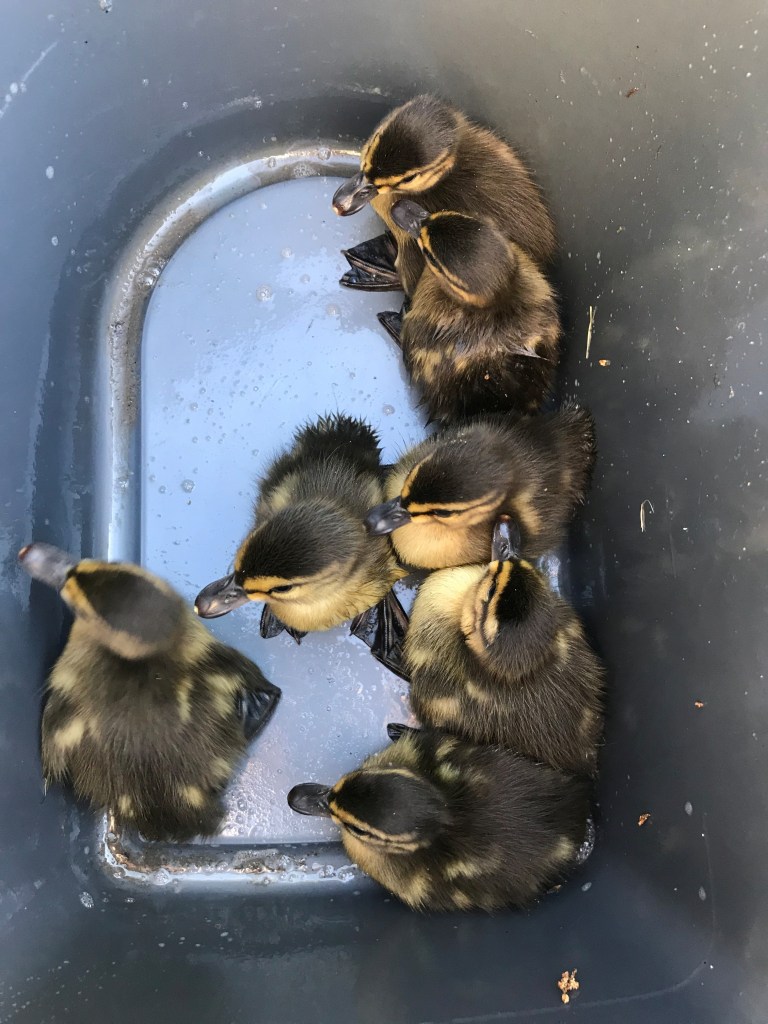
One day a group of ducklings arrived at the front door. They’d got separated from mother duck and the kindly, traffic free road allowed them to waddle across safely.
You Tube is for everyone!
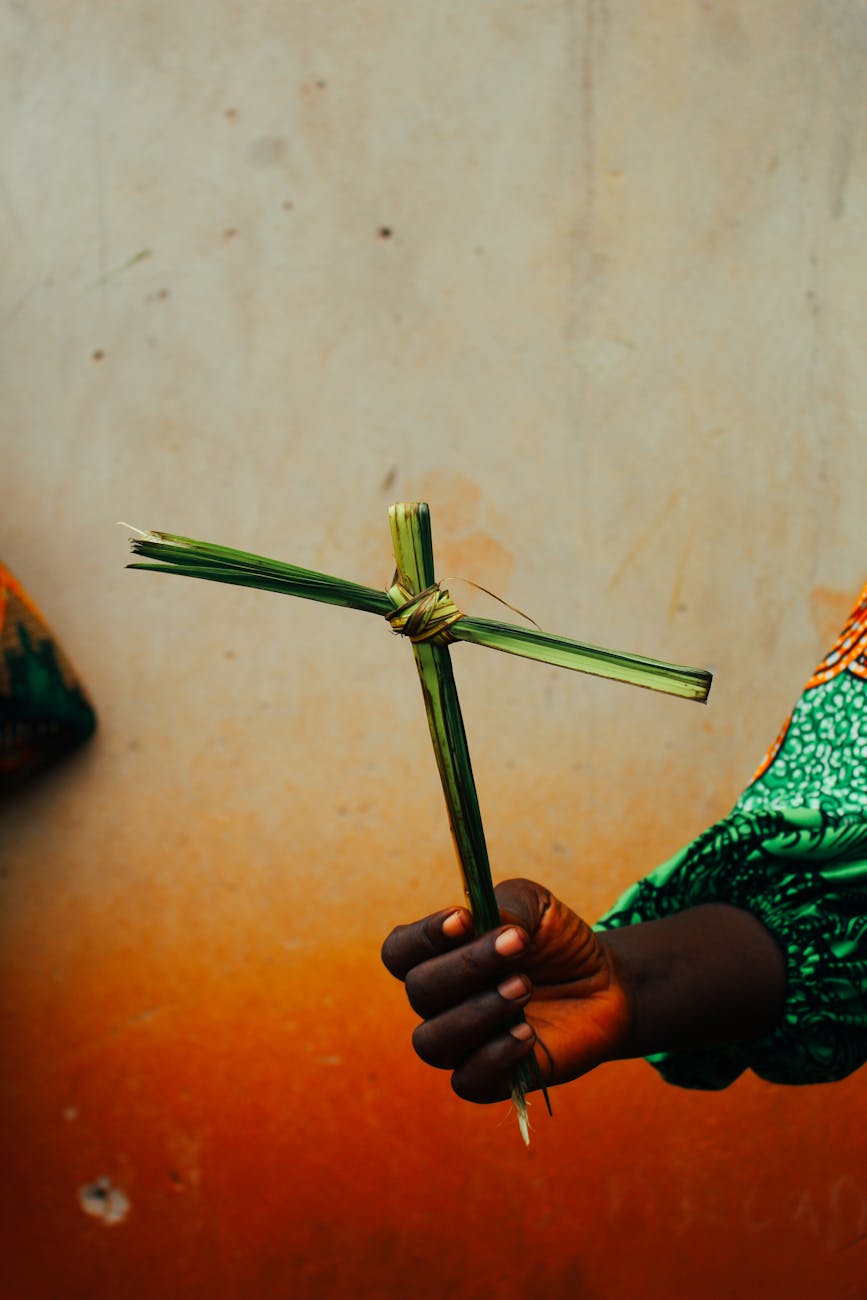
Classed as a key worker, she needed and wanted to keep going. The villages needed a vicar. With the help and encouragement of her husband and son (ie, you’ve got to do this, you haven’t got any choice!) she set up a You Tube channel and published films of services from her study, along with hopeful messages, children’s stories and Easter activities. Yes, if you search You Tube hard enough, you will find a video of her demonstrating how to make a Palm Cross from paper!
Along with everyone else, she was hurtled out of every comfort zone.
Unmute!
This vicar had never used any video calling system, but Zoom became a lifeline for meetings, evening prayer, Bible study and entertainment.
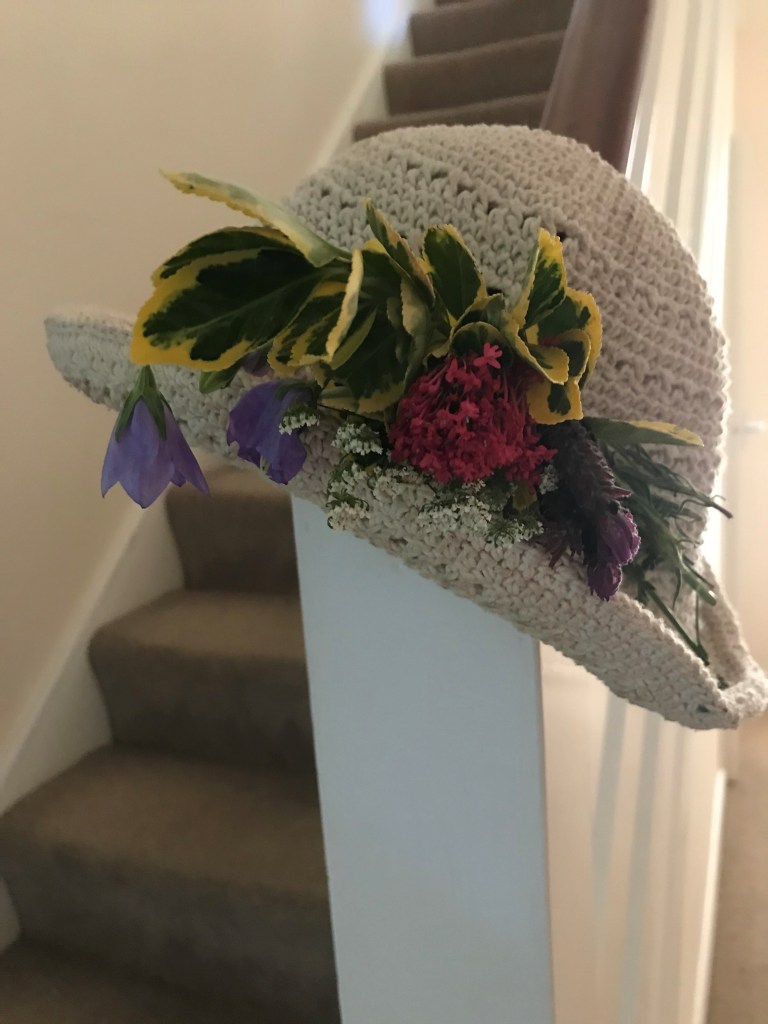
She looked forward to weekly family quizzes, friendly get togethers and Pilates classes. In the summer, she celebrated their ruby wedding anniversary on a family zoom to which everyone wore the grandest hats they could find!
Working via video, zoom and telephone was hard work. Conversations were not shared in the same way; the vicar couldn’t read the room or sense how someone was by the way they arrived or where they sat. She hopes that those things aren’t lost now that we’ve adopted online meetings as normal.
Sadness and anxiety.
Covid 19 brought with it disease and death, isolation and fear and this vicar felt shock, sadness and anxiety.
My flesh and my heart may fail, but God is the strength of my heart. Psalm 73
What was sad?
Funerals where she hadn’t been able to visit the family and which were attended by very few people, sitting far apart and not being able to talk before or after the service.
Postponed weddings. Who wanted to get married with only three people in attendance?
Talking to a man on the phone while he sat in the hospital car park where his wife was dying. That was the closest he could get.
Very vulnerable people living alone while their health, mobility and confidence declined.
Awareness of so much suffering.
She was anxious about her children, who were all key workers.
She was helped by this verse from psalm 73, which she made her Covid motto:
“My flesh and my heart may fail, but God is the strength of my heart.”
Awesome admiration.
The vicar was bowled over by the wonderful church and community spirit. Straight away, things got organised.
Village coordinators made sure that everyone was in contact.
Shopping and prescriptions were delivered.
Pubs delivered meals on wheels.
Mothering Sunday flowers and cards appeared on doorsteps.
Church craft and story kits were delivered to children.
Hospital scrubs were sewn.
Easter gardens and decorations appeared in churchyards.
Countless phone calls were made.
Gratitude.
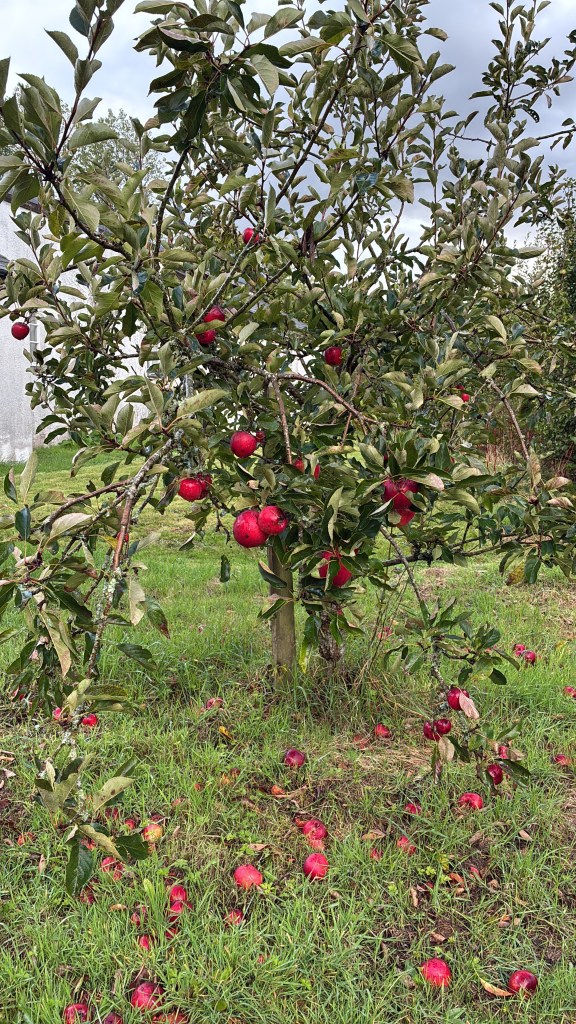
This vicar knew she had it easy. She lived in a vicarage with a big garden. The weather was beautiful in those early lockdown weeks, and she had plenty of good, green places to walk. In the Vicarage garden was an apple tree and she would arrange drinks and dinner dates at “Ye Olde Apple Tree!”
No prizes for guessing that this vicar is me. It’s been quite emotional and difficult to write this. I wonder if we’ve even begun to realise the effect that lockdown had on us.
I want to express my sincere thanks and admiration for The East Trent Group of Churches, who kept church alive and cared for so many people with cheerfulness and creativity.
I’ve only talked about the early weeks of lockdown; there is so much more I can say about what happened later on!
Thank you also to my family and friends, who’d have thought we’d live through that?
Now, in retirement, I wonder what I would volunteer to do if it happened again? If I’m allowed out that is! What are your thoughts and memories of lockdown?
Where shall we wander next?
Wander well,
Mandy.
Things I love:
Warm spring weather.
Ducklings.
Open churches.
If you’ve enjoyed reading this, please like and subscribe!
Childhood memories of Sunday School in the Christian season of Lent.
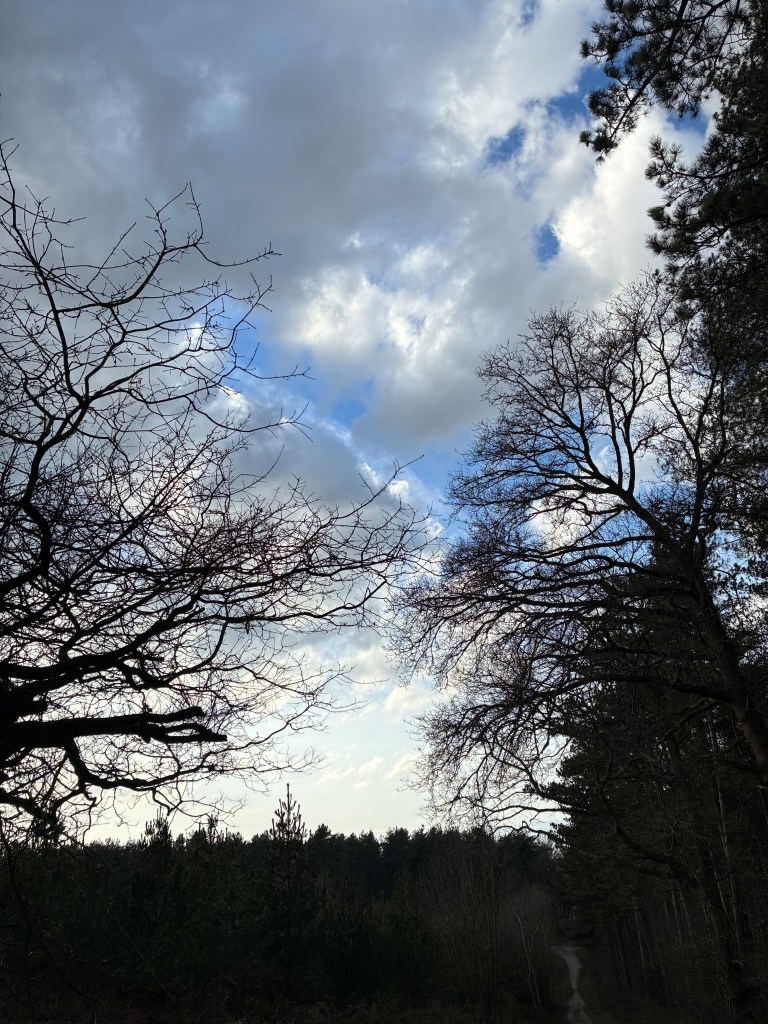
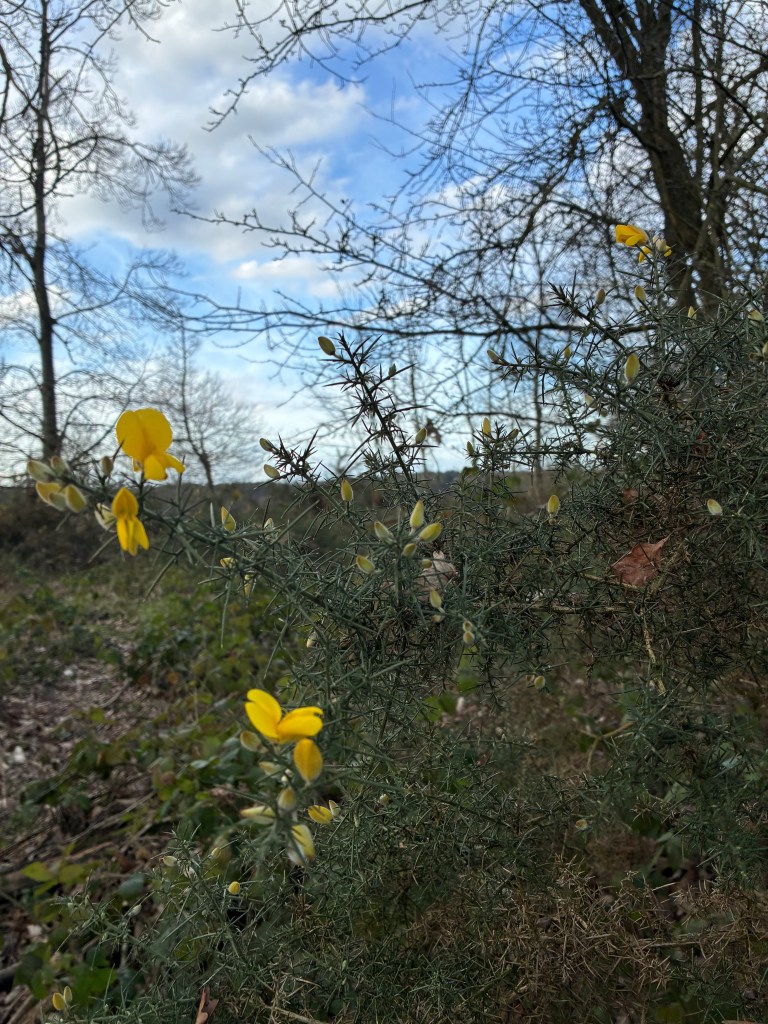
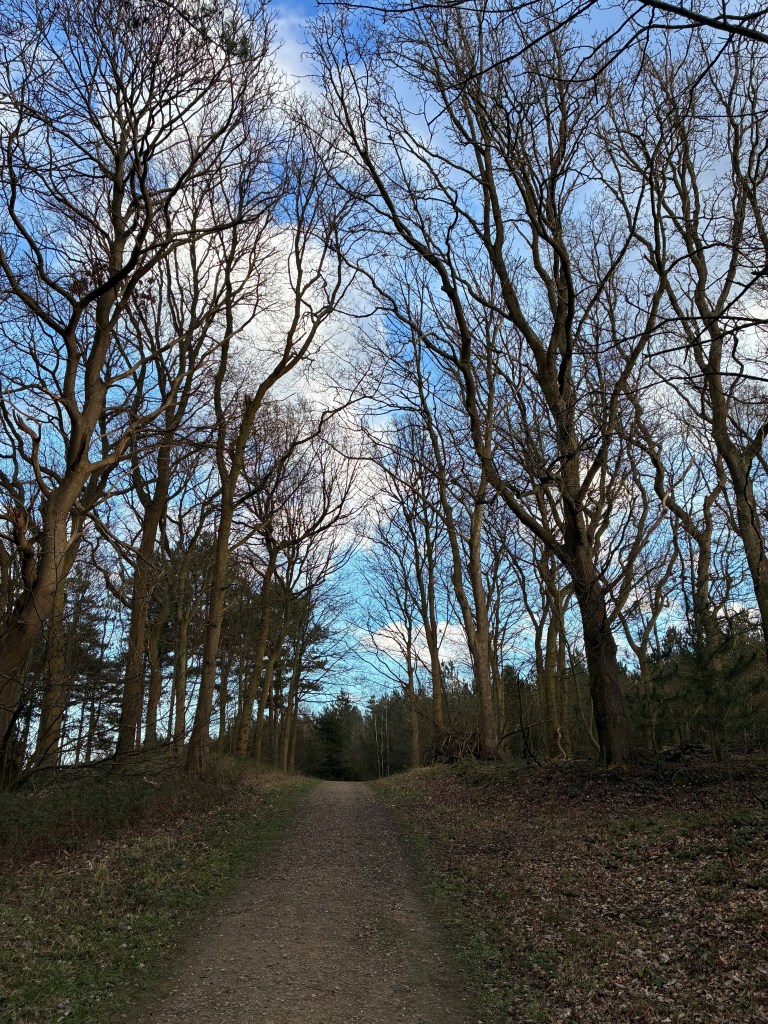
The photographs were taken in the first week of March.
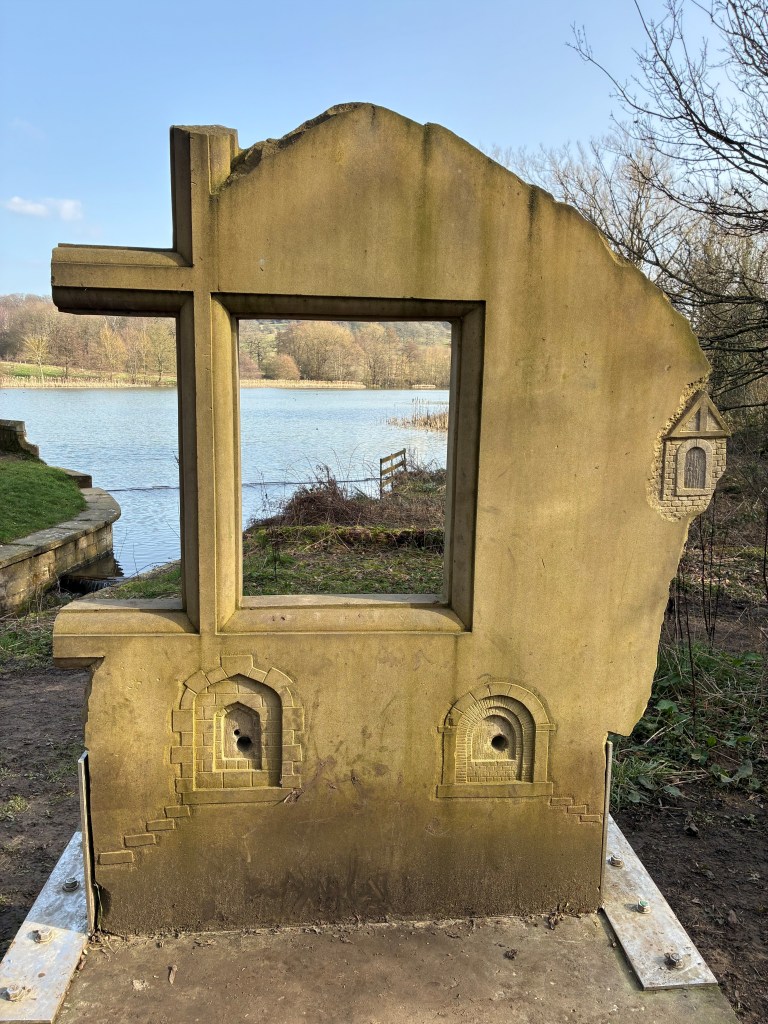
I spotted this at Harwick Hall (Derbyshire) Sculpture trail.
Walking to Church.
The afternoon was chilly and the streets were quiet when I walked to the end of my road, past the phone box, across Gordon Road, up Hudson Street, past the Post box and turned right along Blue Bell Hill to St Bartholomew’s Church, which stood on a hill. Indeed, St Bartholomew’s Road, which led from Gordon Road to St Ann’s Well Road, is called Donkey Hill by anyone who knows it, because it is so steep. Still, living on Serlby Rise, I’d already gained height, so it was an easy walk.
It was a well-worn route for me and on Sunday afternoons I sensed the lonely quietness of it all. Shops were closed and no one was playing out. There certainly weren’t crowds flocking to church, but I walked on, clutching my penny for the collection, held safely in my glove.
Trees grew in the churchyard.
Arriving.
As always, I could see one light shining through a window when I got near to the heavy, open church door and the first thing I did when I walked into the dim, musty building was turn towards that light and kneel down. That candle, which was never allowed to go out, told us that Jesus was there, in the form of a communion wafer which had been consecrated by the priest. I was taught to reverence that presence from a young age.
This belief takes this Bible verse seriously:
Jesus took bread, and when he had said the blessing, he broke it and gave it to the disciples “take and eat” he said, “this is my body.” Matthew’s Gospel chapter 26, verse 26. New Jerusalem Bible.
But is Jesus present just in the blessed bread or does it have to be shared and eaten? That’s a topic for another sort of blog!! What do you think?
When I reached the central aisle of the church, I bowed towards the altar before finding my seat. Once, I got in trouble for going near to the altar, because only the priest was allowed there. I don’t suppose any woman, never mind child, ever crossed the forbidden line in St Bartholomew’s!
Sunday School teachers.
I will be forever grateful to my Sunday School teachers, a small gang of ladies whom I thought were ancient, but they were probably about forty! They’d known me since I was born and some of them kept a close, caring eye on me into early adulthood. They also reprimanded me for refusing to take off my gloves to write, but that building was cold!!
Still, for most of the year, Sunday School wasn’t my favourite part of church. I preferred the rare occasions when I went with my mam to “proper church” when I didn’t understand what was happening, but I wanted to. I remember everyone singing a hymn about angels and wishing I could read all the words in the hymn book and the vicar in the pulpit saying that Jesus died to save us from our sins. What did that mean? I still don’t know, and apologies to my evangelical friends, but I don’t believe I deserve to be tortured to death and should be glad that Jesus took my punishment! There are lots of theories about atonement, which means being made one with God, being put right with God and for me, Jesus absorbed all of human life, the best and worst, bits and took them into God, so now nothing can separate us.
March flowers promise new life.
Anyway, back to Sunday School.
Witches and Giants.
There was one time of year when Sunday School was my favourite thing and that’s why I’m remembering it now.
Lent is the forty days of preparation for Easter. I don’t remember giving up any treat for Lent as a child, but I remember the lessons I learnt.
In Lent, the vicar at church took Sunday School and one year he told us stories about witches and another year stories about giants. Wonder of wonders, he gave us all a sticker for each story we heard, to fix into the right place on a card!
I don’t remember any names of the witches and giants or what they did, but I do remember someone going on a journey and encountering dangerous, tricky characters along the way who tried to thwart them and make them give up.
Lent is a journey.
I am thankful for those stories which sparked my imagination and grew resilience in my young life.
Some journeys are hard.
I love the purple season of Lent, with its challenges, its lengthening spring days and promise of Easter.
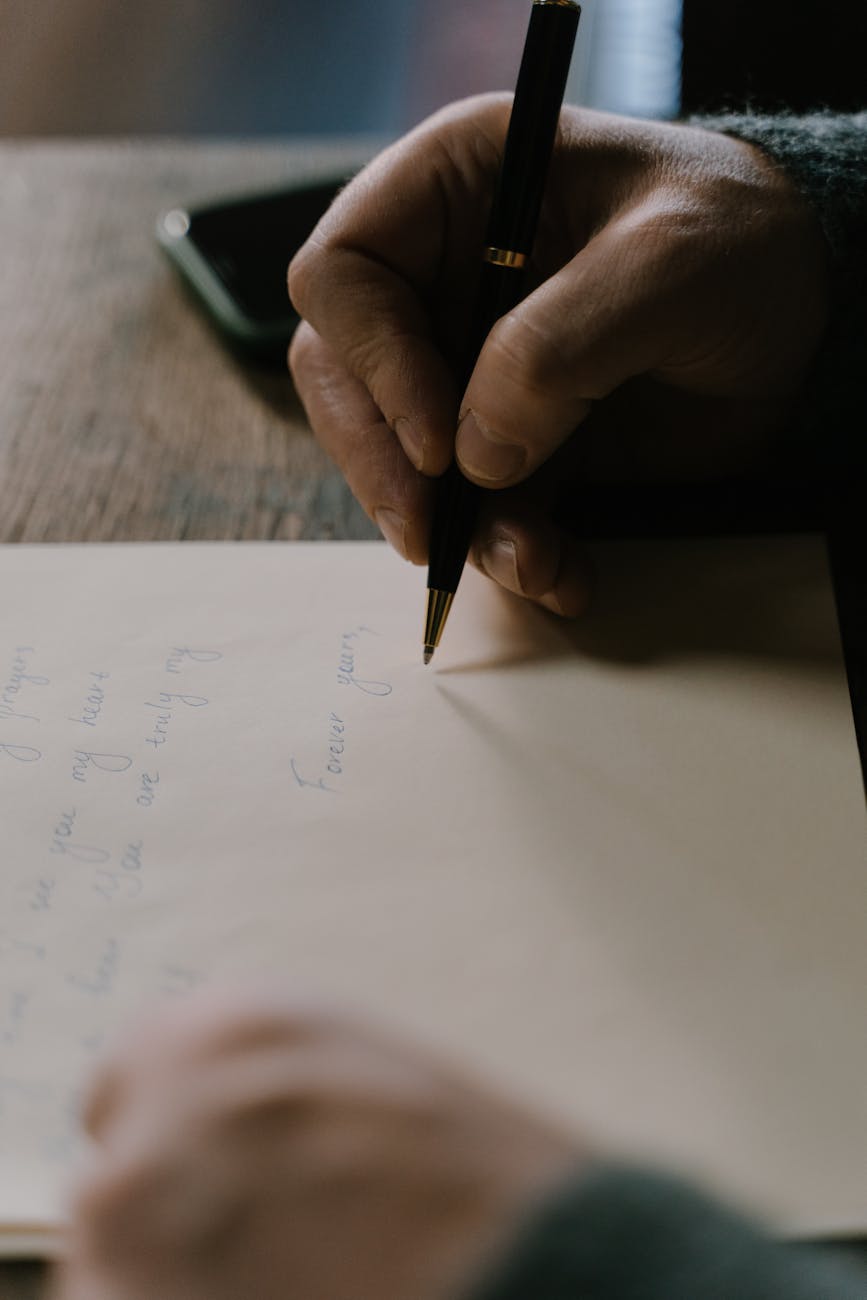
The queue moved slowly that day in the narrow aisle between shelves of Basildon Bond writing pads and envelopes, boxes of rubber bands, pens, pencils and rubbers. It was the 1970s and writing letters was an important way of keeping in touch. It may be hard to believe now, but in the long holidays, I wrote and received letters from my school friends. That’s how we told each other our news and arranged to meet.
However, that day, I wasn’t buying paper, envelopes or stamps. That day I had to wait until I got to the post office counter and ask Mr Brown for what I wanted. My mam had told me what I needed and I’d practised the request.
“Can I have an air mail letter form for Canada please?”
I was in awe of how quickly and easily Mr Brown found what I wanted and sold it to me. It seemed an outlandish desire, and I expected to be told I was ridiculous, and to ask for something sensible.
Do they still make and sell Air Mail Letter forms?
I handed over my money and received the form. It was a single sheet of very thin blue paper, which folded into itself. The top third had gummed flaps, ready to be damped, folded over and stuck to the back of the middle third. The sheet was magical, it turned into a complete letter and envelope, with the words PAR AVION printed at the top and the correct amount for postage stamped on it.
I could hardly wait to get home and begin writing.
I was a girl guide in the 22nd Nottingham company and we met in Pierrepont school hall. February 22nd is Thinking Day, the day when guides and brownies all over the world think about each other. On that day, we travelled to a different meeting place and met girls from other parts of Nottingham.
Shiny pennies and colourful uniforms.
To prepare for this, we’d collected pennies, polished them and presented our shiny coins. I don’t know where the pennies went once we’d handed them in. I enjoyed seeing pictures of girls from other countries and was intrigued that uniforms were so different.
Photo by Su00f3c Nu0103ng u0110u1ed9ng on Pexels.com
One thought leads to a letter.
I took my thinking seriously and signed up to the girl guide penfriend scheme. I was matched with a girl from Canada, which is why I was in the post office queue.
I am sorry to say that I can’t even remember my penfriend’s name, but receiving her letters through the post was wonderful. I loved reading about her life, which was rural and in a different world to mine on Serlby Rise. Her girl guide meetings sounded a lot more exciting than ours and involved spending time in the woods.
A photograph required an envelope.
We did exchange photographs. I must have bought an airmail writing pad and envelopes for that. I would have taken my letter to the post office for Mr Brown to weigh and then sell me the correct value of stamps. When the stamps were on the envelope, he’d put it straight into the brown sack behind the counter. I didn’t have to take it out of the shop and pop it into the red pillar box outside. Pillar boxes had a sharp, metallic smell to them and I was fascinated by the little card which told us when the next collection was due. The postman (it was always a postman in the 1970s), had to change the card when they emptied the box.
I really am sorry that I can’t remember that girl’s name. I am very glad she wrote to me and I wonder how her life turned out. I also wonder if she remembers being a girl guide and that she once had a penfriend from Nottingham, England.
A true story of a 1960s primary school nativity play when a young child’s heart was stirred by jealousy and longing.
Calling can come at any age.
Photo by Jessica Lewis ud83eudd8b thepaintedsquare on Pexels.com
It was cold and dark when I walked down our city street. Familiar tree trunks grew black and dark in the gloom, bare branches loomed overhead, and pale lights glowed through thinly curtained windows. My biggest worry was not getting my shoes and socks dirty or dropping my orange booklet. That booklet, of typed Christmas carols, stapled together by my teacher was my current favourite possession. I was thrilled when we were given them and told to keep them safe for practices and performance. I was delighted that we could keep them and when it was all over, I saved mine in a special box ready for the next December when I would look at it again and sing the songs which stirred my heart.
Everything looks different in the dark.
The school was at the bottom of Serlby Rise, and it looked different with bright lights shining out from a dark building surrounding the still, shadow filled playground. Once inside, my insides leapt with excitement. School would only look like this once a year, in this strange fluorescent light with only blackness at the windows. What’s more, I had to go into a strange classroom to leave my coat and line up. Chairs, desks and the blackboard all faced different ways. There were different books, pictures and smells and I missed my own space where I’d found my way around.
Everything looks different in a strange classroom.
Thankfully, my shoes weren’t too muddy, and my face beamed when I took my coat off to show my new dress made of red corduroy with long sleeves and white lace at the collar. A jabot, mam had told me that was called, when she bought it specially.
As smartly as we could, all wearing our best clothes, we marched across the playground to the school hall. Strangely, that night our teachers let us out in the cold without our coats on, but that night everything was different and every nerve in my young body knew it!
The school hall looked different. It was full of chairs.
The hall was full of chairs lined up in rows. I didn’t know where the chairs had come from or how they got there, but there was a gap down the middle for us to walk along, between our patiently waiting parents. I felt my cheeks burn when I passed mine. They were there!
The wooden floor was three months on from its summer clean and polish and our footsteps added to the dulling scuffs when we took our seats. Wonder of wonders, we weren’t sitting on the floor, but there were more rows of chairs, facing the audience, for us to sit on.
I was part of the choir and turned to the first page in my precious orange booklet. Miraculously, all the carols were in the right order. Miss White struck up on the piano and we stood to sing. I don’t remember, but I wonder if we began with Once In Royal David’s City.
Sitting on chairs in the hall and standing up to sing was different.
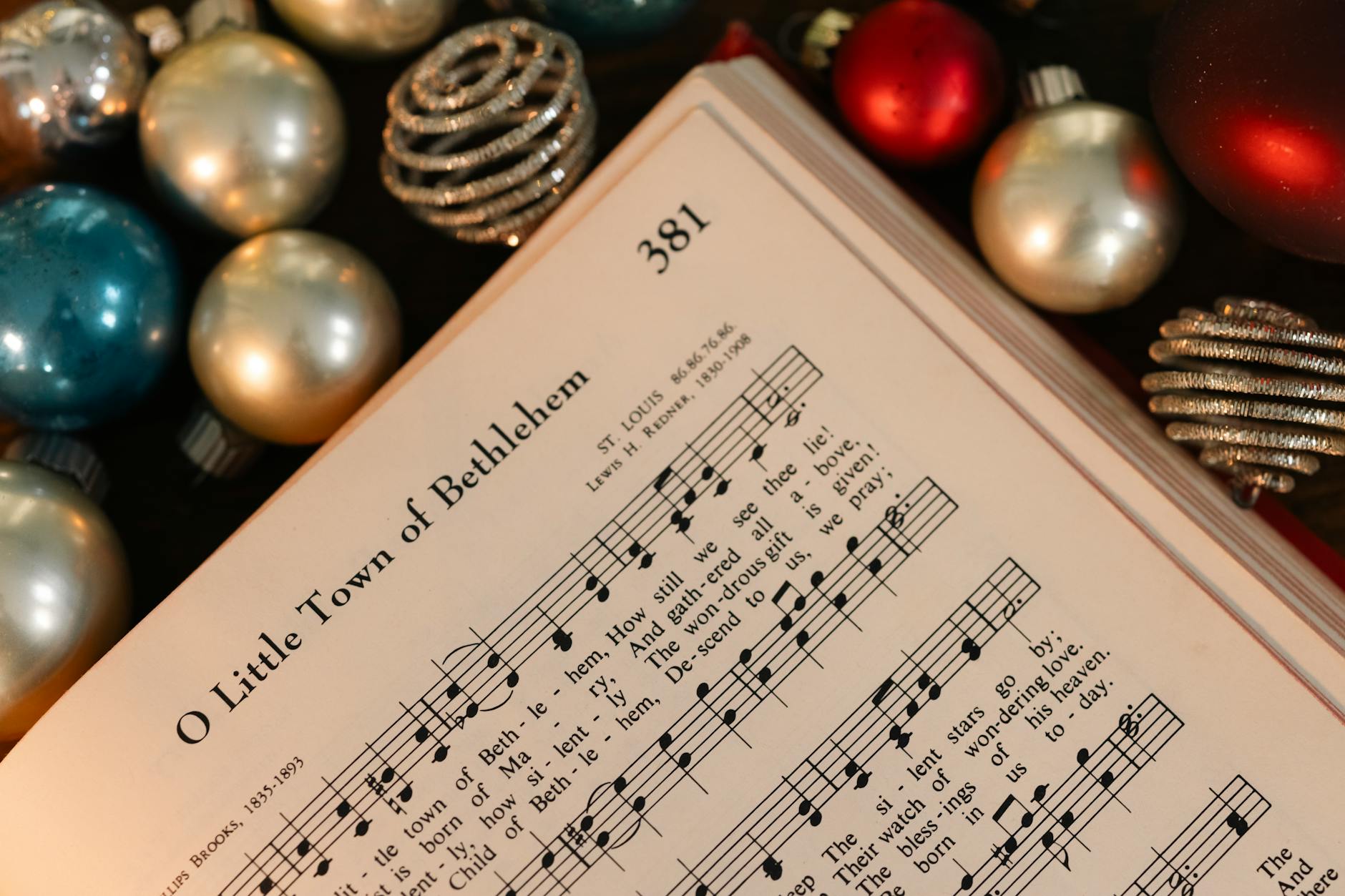
At the front of the hall, two chairs were placed in front of a manger, ready for the story’s characters to gather and form a tableau. A wooden box was upturned ready for the readers to delight us. Bible readings and carols told each part of the story. So, we sang O Little Town of Bethlehem while Mary and Joseph walked down the gap in the chairs and took their places and While Shepherds Watched Their Flocks by Night when the shepherds arrived to visit the newborn baby. We Three Kings of Orient Are accompanied the wise men.
Sitting in the choir, even with my new dress, clean socks and shoes and my precious booklet, I felt left out, as if I was there because nobody thought I could do anything else.
I didn’t want to be dressed up as part of the Nativity Tableau.
I longed for a different part, but I didn’t want to be dressed up, I didn’t want to be Mary or an angel. No, I wanted to be a reader.
When Gina (I think that was her name) stood up on the wooden box and spoke out Nearly two thousand years ago … I was overcome with jealousy. Her dress was red velvet, her cardigan was white and her dark curls were neatly brushed. Her voice was clear and perfect as she told us the story of Jesus being born.
Maybe I was different because I wanted to read. Maybe we all did!
My young heart filled with longing and sank into despondency when I realised that no one knew that’s what I wanted to do or would ever choose me to do it.
That feeling lasted a long time. I was over thirty before anyone asked me to read out in church. Once they did, it opened up a whole new life for me and before too long I was reading out in church every week!
I am very grateful to Gina for reading so beautifully and stirring up that longing in my heart. Gina, I wonder where you are and if you’re reading this? If you are, then thank you!
I am very grateful to the teachers who taught me to sing carols and gave me my own booklet to keep, then gave up their evenings for us.
A true story of mince pies, love, gratitude and Christmas baking!
It was another full day at The Vicarage. In between a meeting with churchwardens and an architect to see what could be done about a leaky flat roof and visiting a family to talk about their beautiful baby’s baptism, I settled down at my desk to think about Sunday’s sermon. That didn’t last long before the phone rang. When I answered it, I heard the slightly anxious sound of a bereaved son. I had met the family to discuss his mum’s funeral, and they’d shared with me a lovely, affectionate picture of her life. It turned out they hadn’t said everything.
We forgot to mention, he said, you must saythis ….
I guessed what he was about to say, and I guessed right.
You’ve got to tell everyonethat at Christmas she made the best mince pies in the world.
Of course I will, I said, that’ll be my privilege to say.
If I ate a mince pie every time I heard that someone’s mum made the best ones in the world, my teeth would have dropped out years ago! It’s always said with real love, affection and gratitude and those words go straight to the hearts of anyone who knew her.
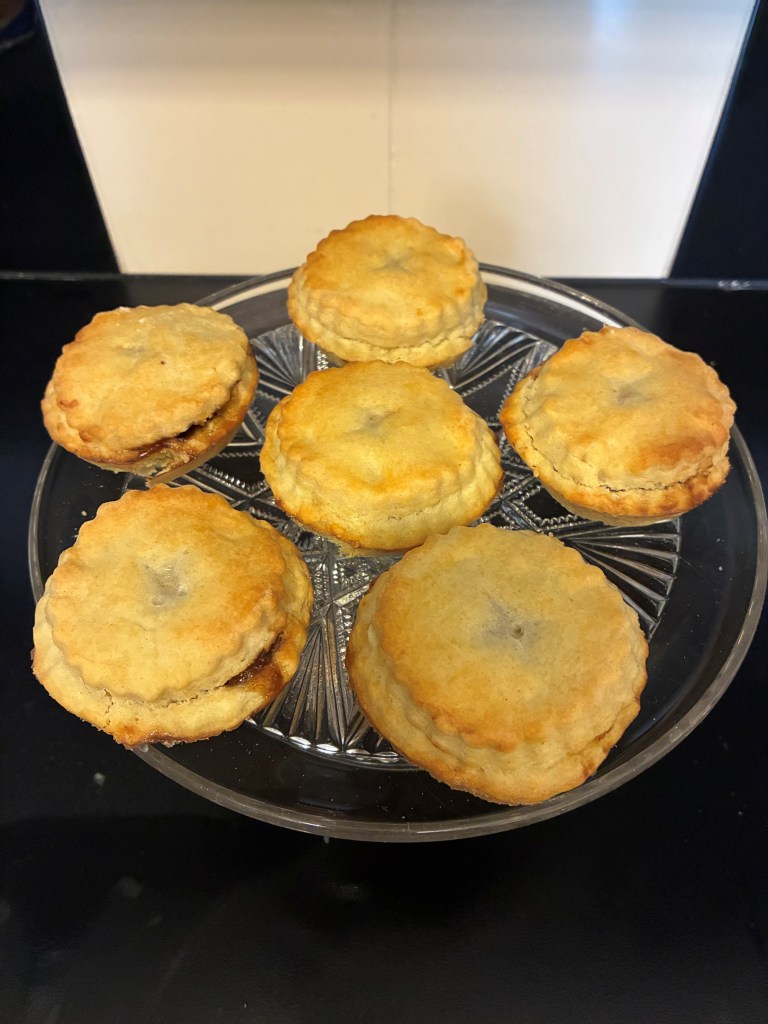
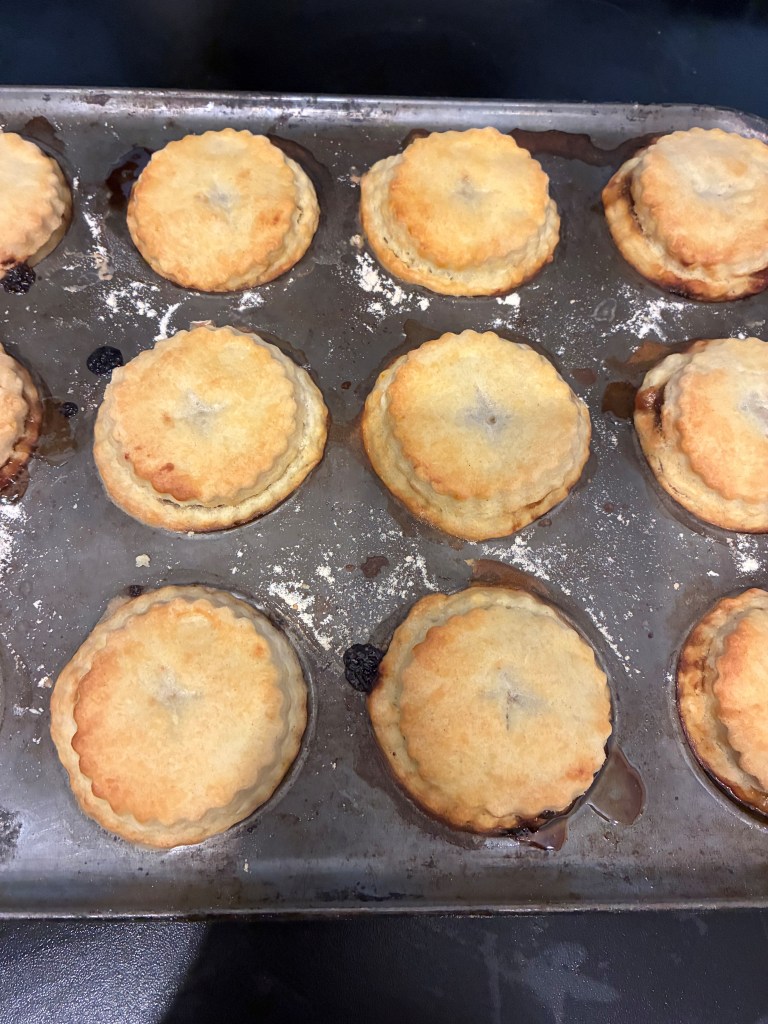
I suppose in a Great British Bake-Off sort of situation, all the mince pies wouldn’t be the best. There’d be some soggy bottoms or burnt crusts and mincemeat escaping through the pastry crimping.
My mam’s mince pies fell apart when you picked them up. She always said it was a sign of good pastry! Still, I will say they were the best in the world.
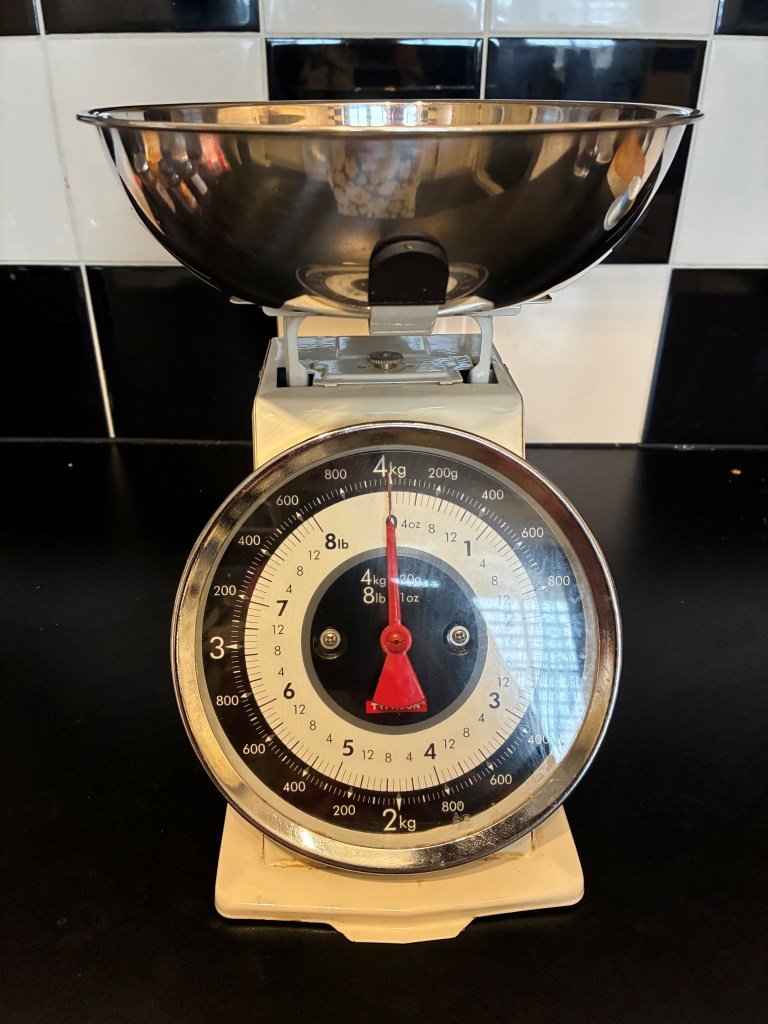
I remember our oven warmed kitchen being covered in flour and taken over completely by mixing bowls, jars of mincemeat, rolling pins and pastry cutters. No weighing scales though, mam believed in measuring spoons and guesswork – no wonder the pastry was so crumbly!
I remember the thrill of spooning in the filling, cutting crosses into the lids and the delicious smell filling the house. For days to come, that cold house was filled with visitors who happily tucked in. In January, when the leftover pies turned stale, they were put back in the oven, and we ate them with spoons and custard. Yummy!
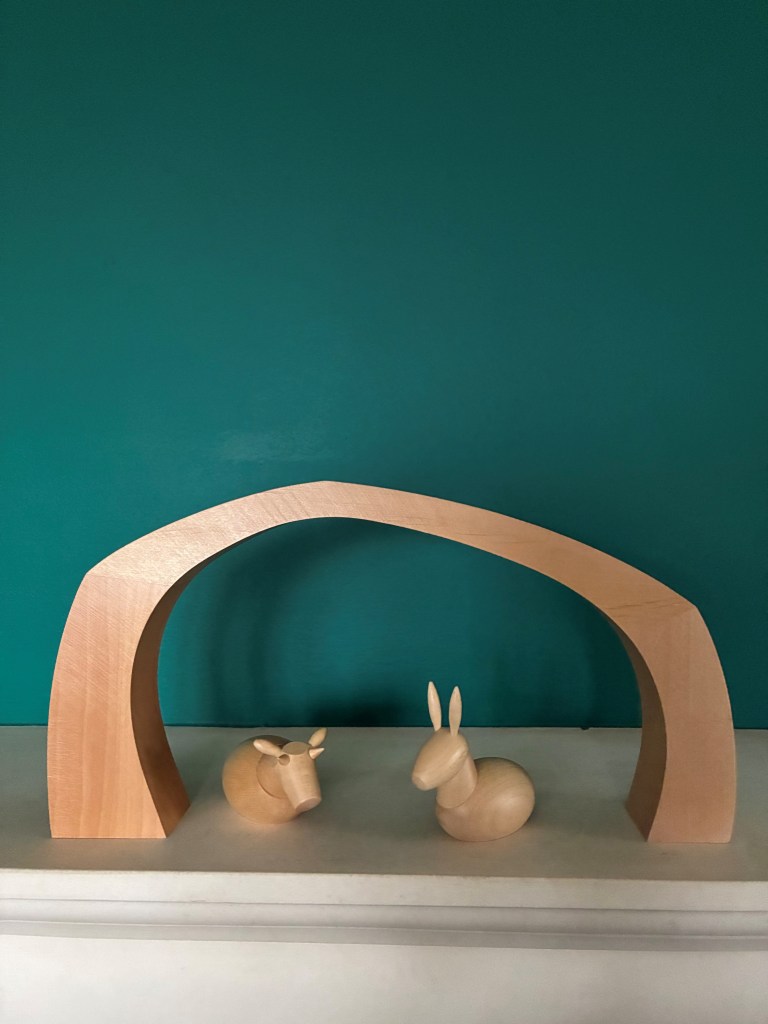
There’s a tale sometimes told about mince pies which tries to make something Christian about them. It goes like this: the plain pastry represents the stable in which Jesus was born and like that stable, the pastry holds treasure.
That all sounds a bit forced to me. I’d rather enjoy our God given delicious food and be thankful! The true tale of the best mince pies in the world tells me more about love, the love of parents who work hard at a difficult time of year to make everything special and memorable for their children and friends.
Here’s a verse from one of my favourite Christmas Carols:
Love came down at Christmas, Love all lovely, Love divine; Love was born at Christmas; star and angels gave the sign.
That was written by Christina Rossetti (1885).
I wonder if she might have added mince pies to the signs of love!
I am so grateful to all the sons and daughters who’ve told me about their mum’s mince pies and for my mam who made the best and crumbliest!
What are your memories of Christmas food? I’d love to hear.
If you are buying, baking or eating mince pies this week, have a wonderful time.




















 Wandering Through The Land Of Nod.