
A memory of junior school assembly in the 1960s, when I learnt the story of George and the Dragon. Early thoughts of injustice.
The April sun slanted down through the high windows of Hogarth school hall and lit up our lives when we filed in for one of my favourite parts of the school day. Assembly time was perfect for me, sitting cross legged on the polished wooden floor and singing a hymn was a great start to the day. QUIET was the rule, which was bliss for me. No one asked me a question. I didn’t have to do anything but sit and either daydream or listen carefully. Perfect!
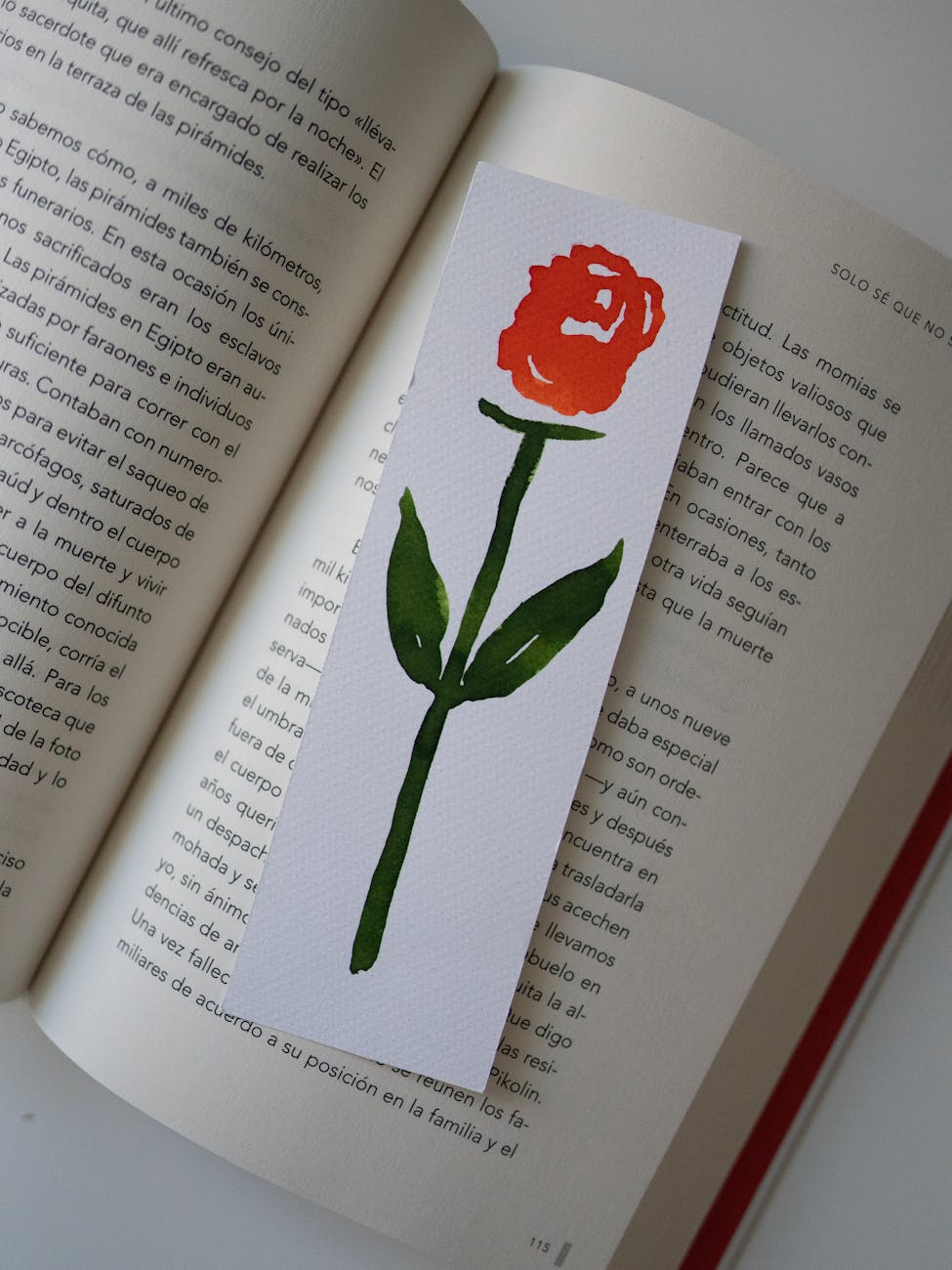
A good assembly became the best when headteacher, Mr Harwood appeared with his red book with the ribbon marker and magically turned to just the right page.
That April day, Mr Harwood read the legend of George and the Dragon to us.
I listened carefully to the story of a terrorised village. A ravenous dragon demanded two sheep every day. The sheep couldn’t reproduce quickly enough, and the village ran out of sheep.
I don’t remember any mention of villagers going hungry, but I’m sure they did.
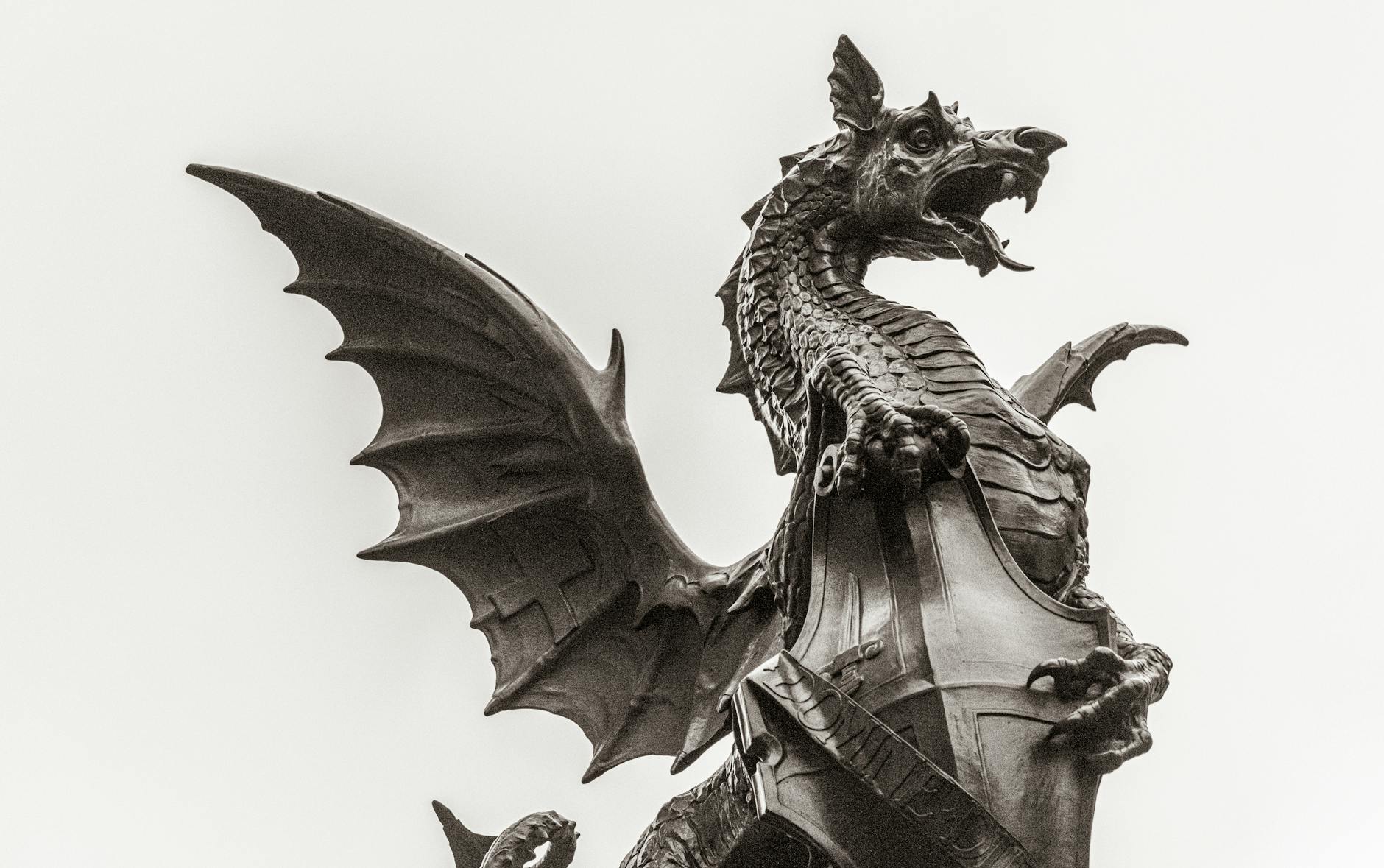
When the dragon’s supply of mutton and lamb dried up, it didn’t stop being hungry.
Then, it demanded maidens, and the village complied. They set up a tombola and threw all the girls’ names into it. Every day, the unlucky winner was delivered up for the dragon’s dinner.
I don’t know why the dragon didn’t demand boys. Were they less tender and tasty or would they have run away, fought their parents or stabbed the dragon?
One day, a sharp, horrified intake of breath ran through the village. The king’s daughter was picked. The king handed his daughter over.
At that point, my primary school ears pricked up, and a deep sense of injustice stirred in my little belly. Why was everyone more upset about a princess being eaten than all the other girls? Why did those villagers care more about the king’s daughter than their own daughters?
Anyway, just in time, a knight rode down the village street, to be greeted by the sound of wailing and weeping and a distinct lack of sheep and fair maidens.
Why didn’t he turn up a fortnight before?
Anyway, George was his name, and he listened carefully to the tales of woe. When he heard that the princess was tied up at the dragon’s lair like a chicken waiting for the roast potatoes to be done, he sprang into action.
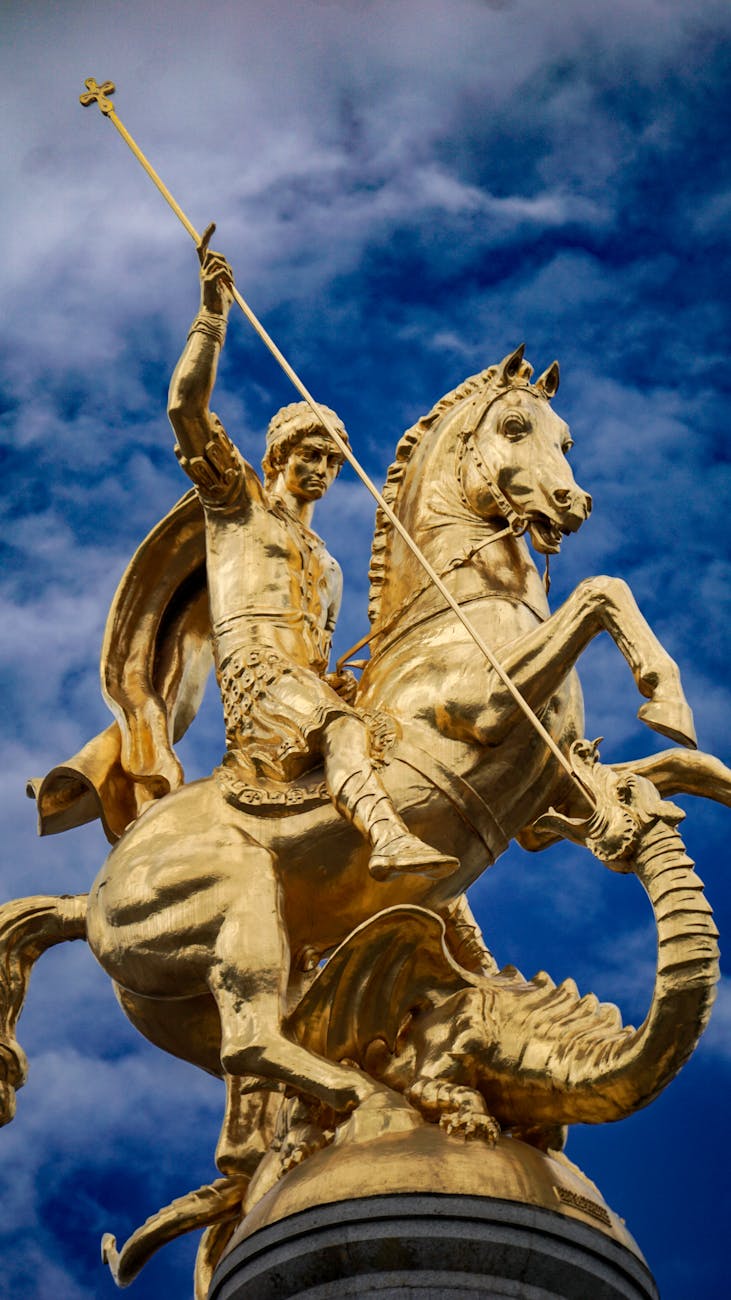
In a blaze of glittering armour, he rode out to confront the greedy old fire breather. A vicious fight ensued. The dragon’s scales were as strong as chain mail, its tail whipped round in deadly attacks and its wings flapped up a breeze strong enough to knock George from his trusty stead. Smoke from its nostrils blinded the brave knight and fire from its terrible mouth singed his nose, but George fought on.
After all, this involved a princess.
Eventually, George struck a fatal blow, and the ferocious beast floundered, faltered and finally lay dying, its life blood flowing away and its foul, acrid, smoky breath rapidly blowing out.
George used his sword to unleash the princess, before hoisting her onto his horse to carry her back to the king. The villagers lined the streets and cheered the brave knight.
Presumably, they’d forgotten their own daughters by then, and if they’d got any food, I think they’d have cooked a feast.
The king was so happy to have his daughter back safe and sound that he gave her away again, this time to the knight. At least he didn’t have scaly skin or breath fire. I hope not, anyway.
As I sat there on the floor, I wondered why no one tried to rescue the other girls and I knew no one would be coming to rescue me. I also felt sorry for the princess who had to marry a stranger.
Wander well,
Mandy.
If you want to read more ribbon marker memories, see:
If you enjoy reading these posts, please like and subscribe.

